If you’ve found yourself Googling the meaning of elopement, you’re definitely not alone. That search usually comes from a quiet moment of uncertainty, when something about the traditional wedding path doesn’t feel quite right, even if you can’t fully explain why yet.
This post isn’t about telling you what an elopement should be. It’s about helping you understand what the word means today, so you can decide whether it aligns with what you’re actually hoping for.
The traditional meaning of elopement
Traditionally, elopement referred to getting married quickly and in secret, often without family present and with very little planning. It was usually tied to urgency or avoiding expectations, rather than intentionally shaping a wedding day.
That definition still exists, but it doesn’t reflect how most couples use the word today.
The meaning of elopement today
For a lot of couples, the word elopement feels confusing because it gets treated like a category instead of a choice.
Eloping today usually means deciding that your wedding day doesn’t need to be built around expectations, traditions, or what other people think it should look like. It’s about giving yourselves permission to shape the day in a way that actually feels right to you.
That might mean getting married somewhere that matters to you, even if it isn’t convenient. It might mean inviting a few people, or no one at all. It might mean planning thoughtfully, but leaving room for the day to move slowly instead of being packed full.
What makes something an elopement isn’t how many guests are there or how adventurous it looks. It’s the choice to prioritize your experience of the day over how it appears from the outside.
If that idea feels relieving instead of stressful, that’s usually a sign you’re paying attention to the right thing.
Weddings, micro weddings, and elopements
Weddings, micro weddings, and elopements often get grouped together, even though they’re built around different priorities.
Traditional weddings typically center around a guest experience and a structured timeline. Micro weddings keep much of that framework, just on a smaller scale.
Elopements shift the focus inward. The day is shaped around the couple themselves, with fewer expectations about how it should look or unfold.
None of these approaches is better than another. They’re simply different ways of deciding what matters most on a wedding day.
Why couples choose to elope
For many couples, the pull toward eloping starts quietly. It’s not about rejecting weddings altogether, but about noticing that the usual version doesn’t quite fit.
As planning begins, some couples realize that the pace, expectations, or pressure surrounding a traditional wedding make it hard to focus on what the day is actually about. The more pieces that get added, the easier it is to feel disconnected from the reason you’re getting married in the first place.
Eloping offers an alternative. One where the day can move more slowly, feel more personal, and leave room to actually be together. Instead of managing a schedule or hosting a production, couples are able to stay present and grounded in the experience.
For a lot of people, choosing to elope isn’t about stripping things away. It’s about creating space for what matters most.
What an elopement day can look like

One of the most common questions couples have is what actually happens on an elopement day. Without a traditional timeline, it can be hard to picture.
An elopement day usually moves at a slower pace. It isn’t built around guests, strict schedules, or a long list of required moments. Instead, the day is shaped around time together and room to breathe.
You might spend part of the day reading letters from loved ones, writing your vows together over coffee, or sitting somewhere beautiful just to take it all in. It could look like sharing a quiet meal, wandering without a plan, or ending the night with ice cream because it feels fun and very you.
There’s no single way an elopement is supposed to look. Some days include adventure and movement. Others are quiet and grounded. Most fall somewhere in between. What matters is that the structure supports how you want the day to feel.
What an elopement can hold
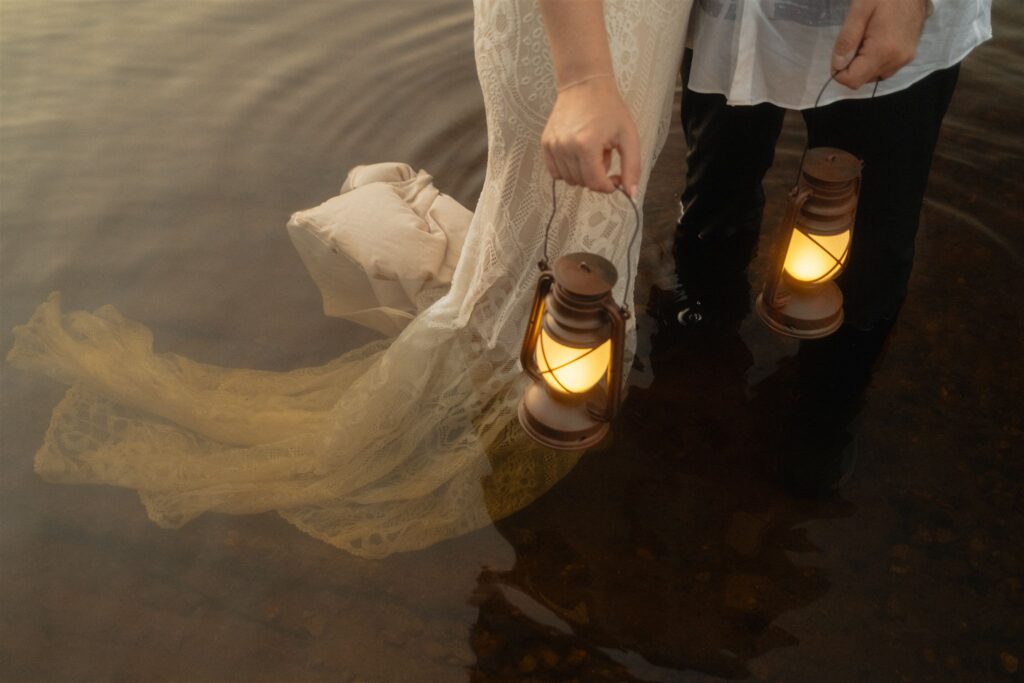
One of the biggest differences with an elopement is the amount of space it creates. Without a packed timeline or constant transitions, the day has room for moments that might otherwise get rushed or missed.
That space can hold quiet reflection, unhurried conversations, and pauses that don’t need to be filled. It can hold emotion without interruption, whether that looks like sitting together after your vows, taking a moment alone, or simply letting things sink in before moving on.
Elopements often leave room for moments that aren’t planned or performative. Small gestures. Stillness. The kind of connection that happens when there’s no audience and no pressure to move on to the next thing.
Those moments aren’t added to the day on purpose. They tend to appear naturally when the day isn’t over-structured or rushed.
Choosing the day that fits you
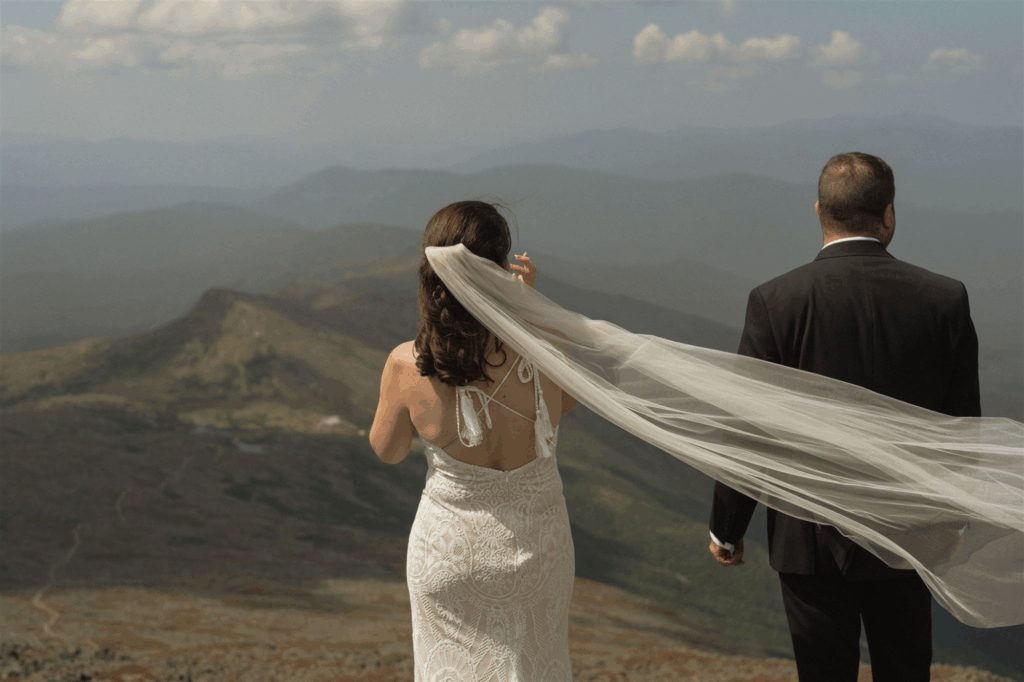
It’s common to second-guess your choice when it doesn’t look like what you’ve always seen or been told a wedding should be. That doubt usually isn’t about the decision itself. It’s about doing something different.
Most couples who choose to elope aren’t trying to make a statement. They just want a day that feels manageable, personal, and true to how they actually live and spend time together.
Eloping doesn’t mean the day matters less, or that you’re skipping something important. It means you’re choosing a version of a wedding day that makes sense for you, instead of forcing yourself into something that doesn’t.
If the idea of an elopement keeps coming back to you, that’s usually worth listening to. Not because it has to mean something bigger, but because it fits the way you want to experience the day.
Understanding the meaning of elopement
The meaning of elopement isn’t about following a rule or choosing a label that fits neatly. It’s about giving yourself permission to imagine a wedding day that makes sense for you, even if it looks different from what you’ve always seen.
If reading this helped quiet some of the noise or made things feel a little clearer, that’s enough. Most couples don’t arrive at a decision all at once. They figure it out by paying attention to what keeps coming back and what doesn’t.
For many couples, understanding the meaning of elopement is simply about realizing there’s more than one right way to get married.
If you’re starting to picture what your own elopement could look like, we’d love to help you plan something that feels true to you.

Leave a Reply

