
When to elope in the White Mountains: Choosing your season
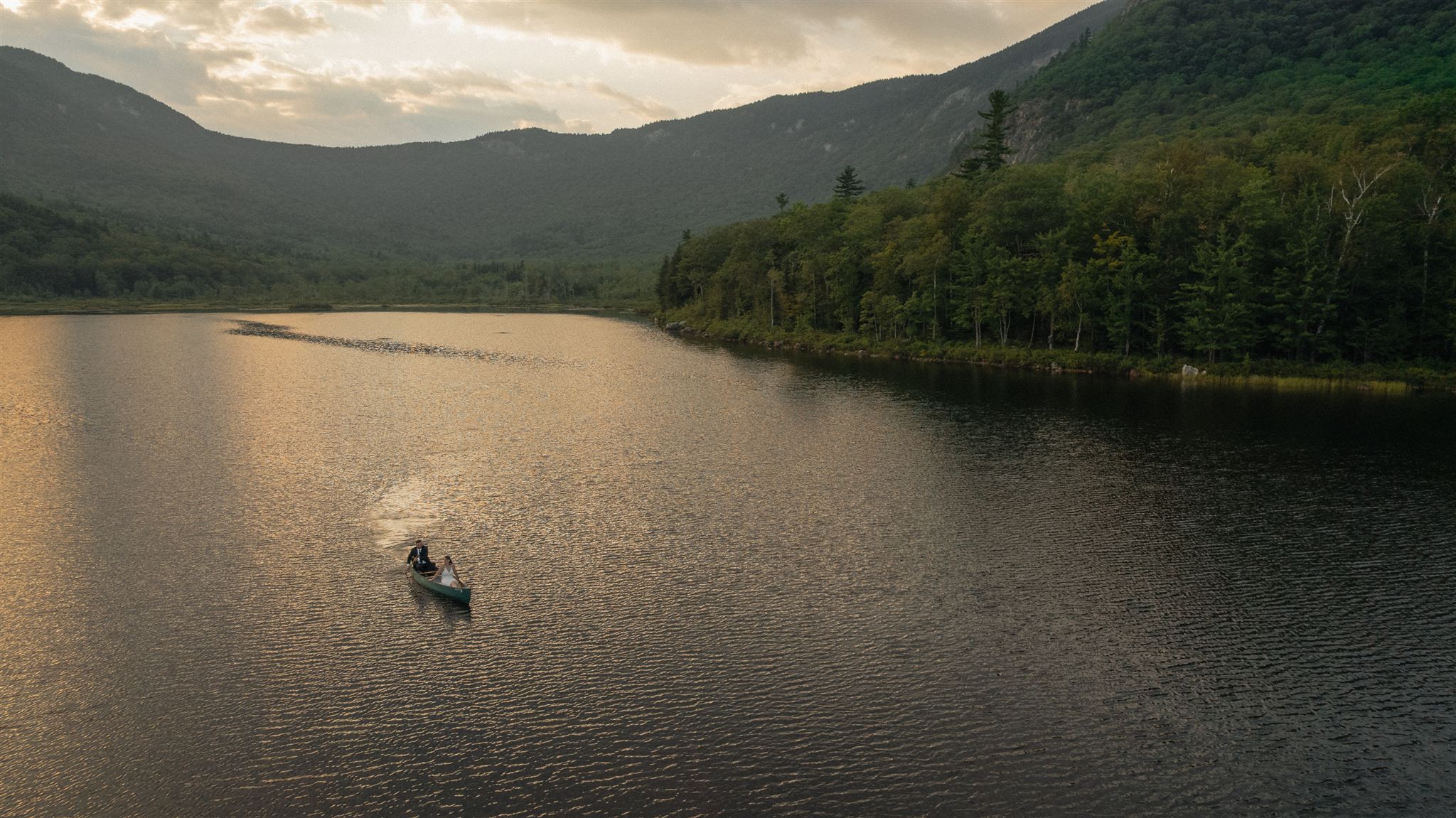
Choosing when to elope in the White Mountains comes down to understanding what each season is actually like.
From spring through winter, things change quite a bit here, from how busy certain areas feel to what locations you can access and what conditions are like. That all affects what you’re able to do and what the day feels like.
This guide breaks down each season so you can get a clear sense of what to expect and decide what works best for you.
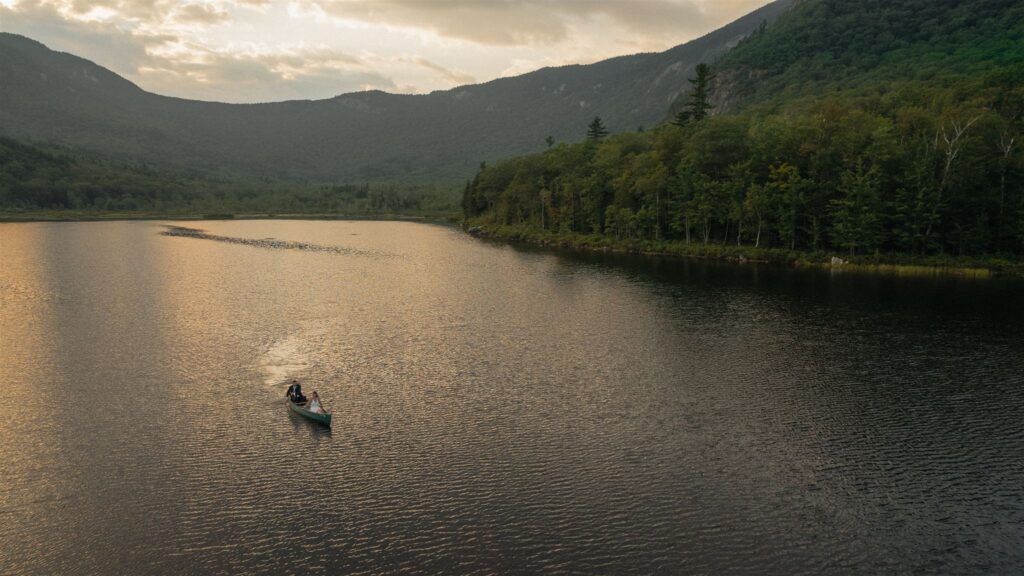
A quick breakdown of each season
If you’re trying to decide when to elope in the White Mountains, each season offers a different kind of experience.
Spring (April through early June)
Quieter and less busy, with strong waterfalls and rivers from snowmelt, but more unpredictable conditions and some limited access.
Summer (late June through August)
The most accessible time of year, with long days, warmer temperatures, and full access to most locations, along with more people.
Fall (September through mid October)
Cooler air and changing foliage, but also the busiest season with more crowds and traffic throughout the mountains.
Winter (late November through March)
Snow covered landscapes and a slower pace overall, with fewer people in most areas but more limited access and colder conditions.
Spring elopements in the White Mountains
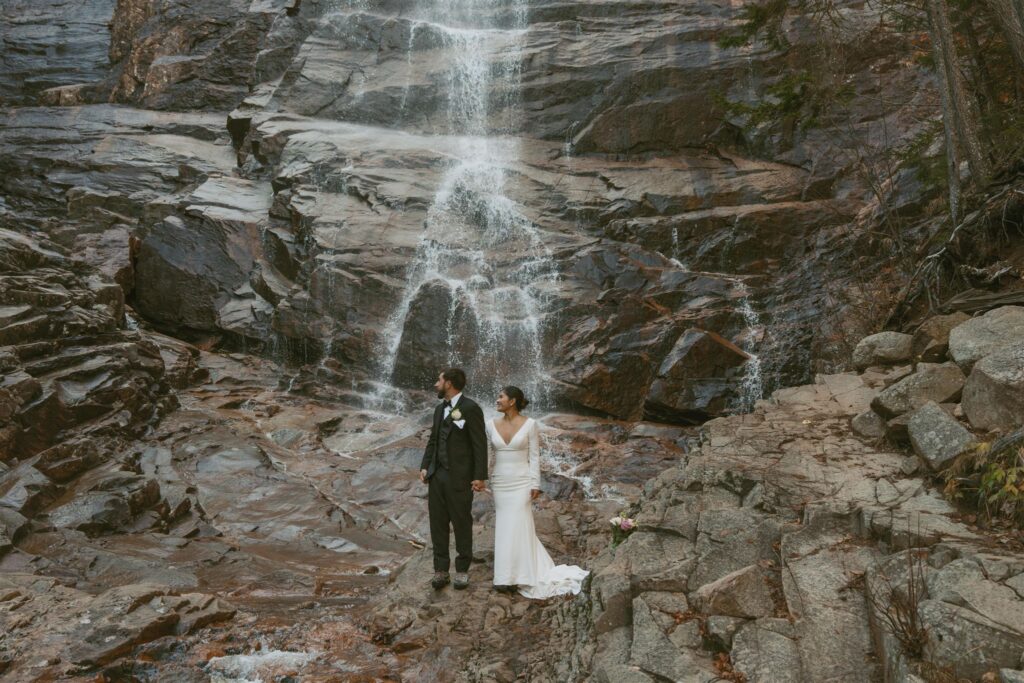
Spring in the White Mountains is one of the quieter times of year, but it’s also one of the most unpredictable. Depending on when you’re planning, you might still run into snow at higher elevations while lower areas are just starting to thaw. Trails can be muddy, and some roads or locations may still be closed.
At the same time, this is when waterfalls and rivers are at their strongest from snowmelt, and areas near water feel especially alive. It’s also much less crowded than other times of year, which can make a big difference if you’re hoping for something quieter.
If you’re open to a little flexibility and like the idea of planning around waterfalls, rivers, or less busy trails, spring can be a really good fit.
What to expect in spring:
- Fewer crowds compared to summer and fall
- Muddy trails and mixed conditions
- Some limited access, especially at higher elevations
- Strong waterfalls and flowing rivers
- A quieter, slower overall feel
Summer elopements in the White Mountains
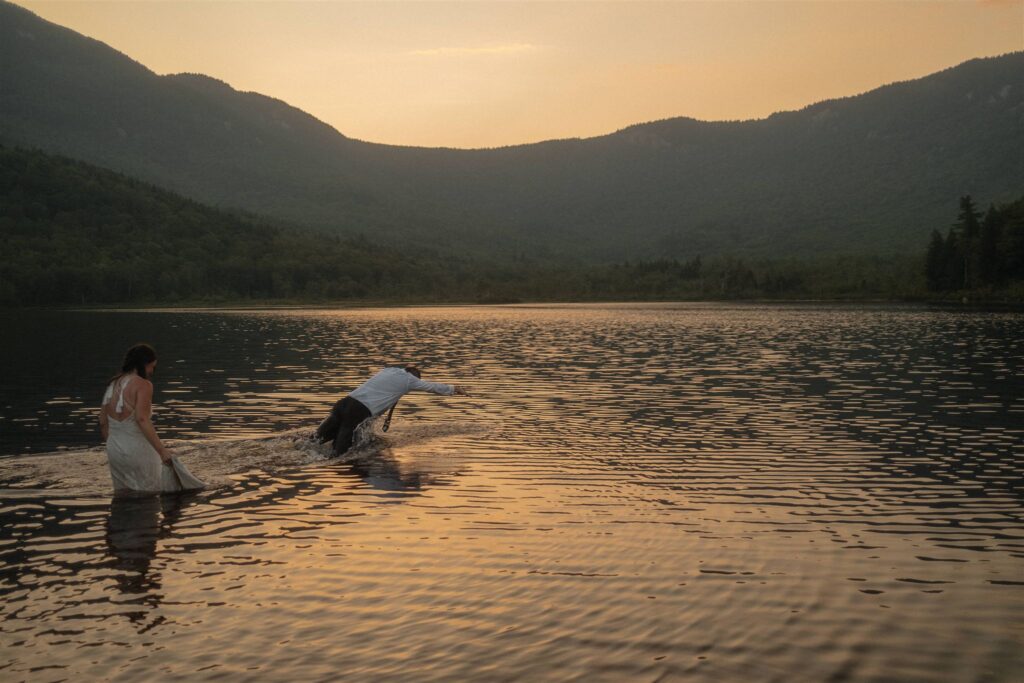
Summer is the most straightforward time of year to plan an elopement in the White Mountains. By late June, most trails and higher elevation areas are open, the landscape is fully green, and the days are long. It’s also the only time of year when it consistently feels warm, even at higher elevations.
That extra accessibility gives you more flexibility with how you build your day. You can move between locations more easily and spend more time outside without worrying as much about conditions.
The tradeoff is that it’s busier. Popular spots fill up quickly, especially on weekends, so timing becomes a bigger part of planning. If having full access and warmer temperatures matters most to you, summer usually gives you the most options.
What to expect in summer:
- Full access to most locations, including higher elevations
- Longer days with more flexibility in your timeline
- The warmest and most comfortable temperatures of the year
- Green landscapes throughout the mountains
- Busier trails, especially on weekends
- More movement and activity throughout the region
Fall elopements in the White Mountains
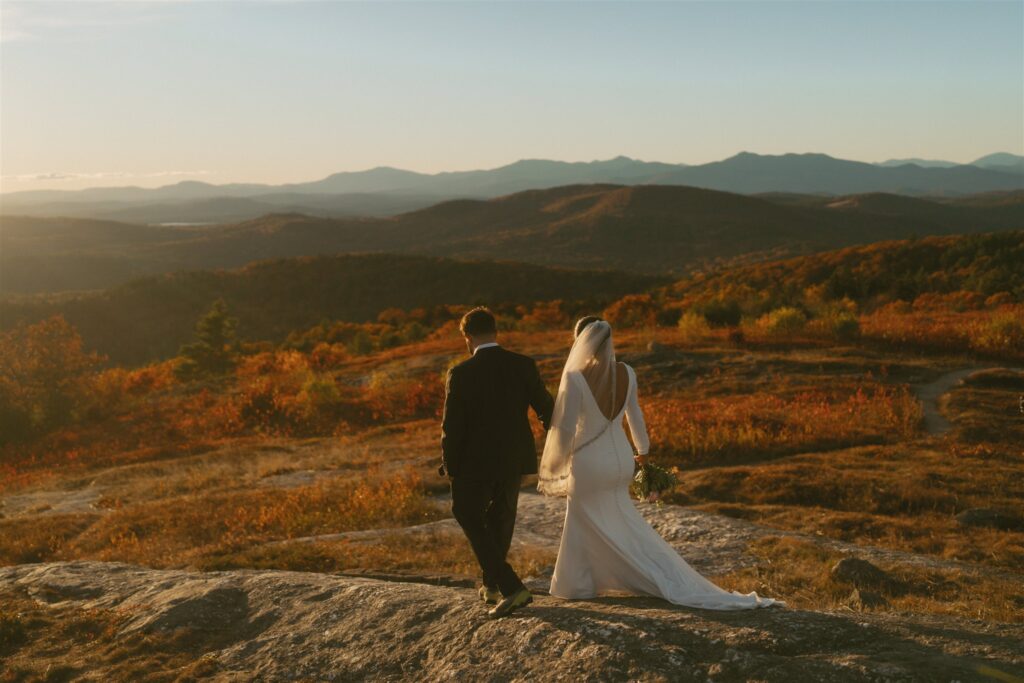
Fall is what most people picture when they think about the White Mountains. For a short window between late September and early October, the landscape changes completely, with color across the mountains and cooler air that makes it comfortable to be outside longer.
Because of that, it’s also the busiest time of year by a wide margin. Trails, overlooks, and even the roads through the Notches can get crowded, especially on weekends. Foliage timing can also shift slightly year to year depending on weather, so it’s not always exact.
If you’re drawn to the color and don’t mind working around crowds or a bit of unpredictability, fall is a really beautiful time to be here.
What to expect in fall:
- Peak foliage typically late September through early October
- Cooler, more comfortable temperatures
- The busiest season across the White Mountains
- Increased traffic and crowds, especially on weekends
- Foliage timing can vary year to year
Winter elopements in the White Mountains
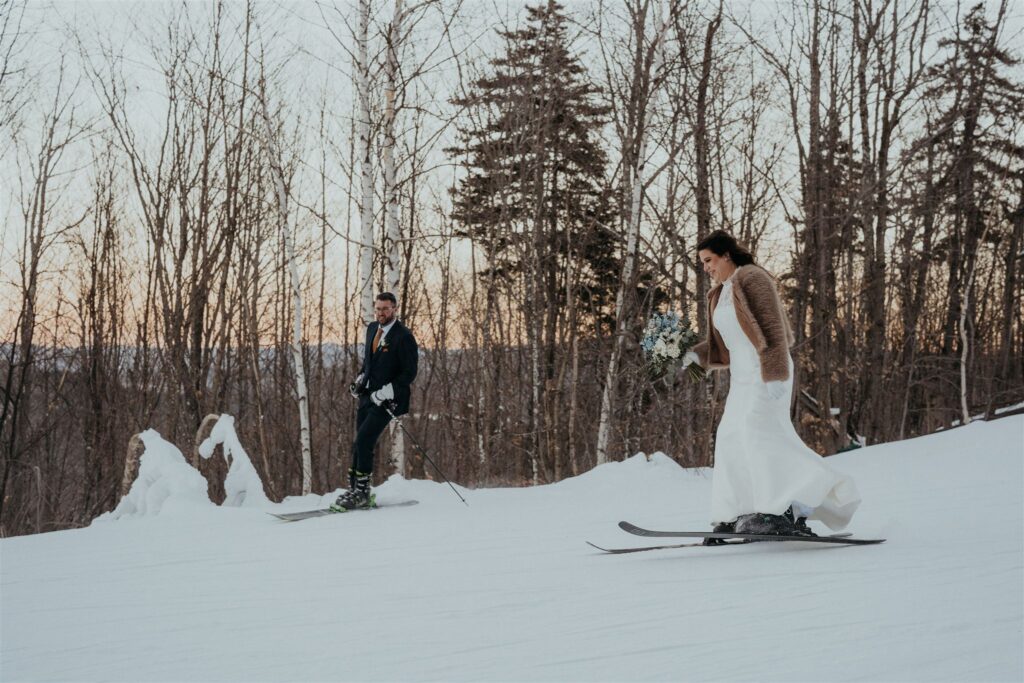
Winter feels like a completely different place compared to the rest of the year. Snow covers the mountains, trails are quieter, and locations that are usually busy feel much more still. The pace slows down in a way that’s hard to find during other seasons.
At the same time, some areas near ski resorts can be busy on weekends, and access becomes more limited overall. Certain roads close for the season, and getting around can take more planning depending on conditions. Temperatures are also much colder, especially at higher elevations.
This is also the only time of year where you can build your day around things like skiing or snowshoeing, which can completely change the experience. If you’re looking for something quieter and more intentional, winter tends to feel the most different.
What to expect in winter:
- Snow covered landscapes throughout the mountains
- Fewer crowds overall, with busier areas near ski resorts on weekends
- Limited access to some roads and higher elevation areas
- Colder temperatures, especially at elevation
- Opportunity for winter-specific activities like skiing or snowshoeing
- A slower, more intentional pace
So, when should you elope in the White Mountains?
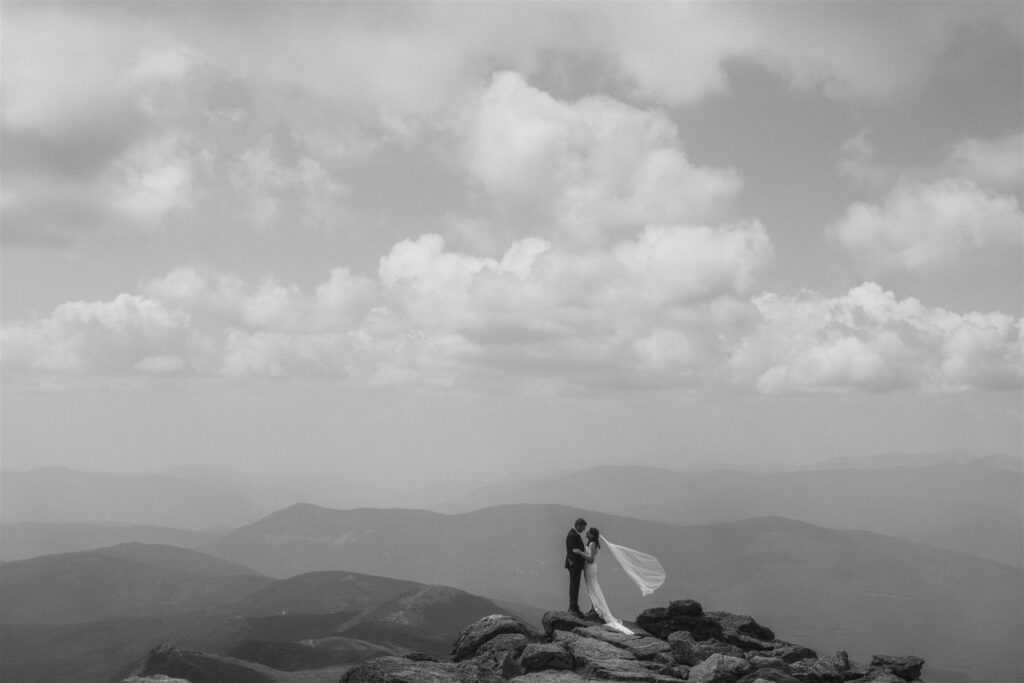
Choosing when to elope in the White Mountains really comes down to what matters most to you and how you want your day to feel.
If having more privacy and fewer people around is important, winter or parts of spring will usually give you that. If you’re drawn to warmer temperatures and full access to the mountains, summer gives you the most flexibility. And if you’re planning around color and cooler air, fall is when most couples choose to elope, even though it comes with more crowds.
Most couples naturally lean toward one of these once they start thinking about what matters most.
If you’re still deciding where you want to elope, you can explore our guide to White Mountains elopement locations to start narrowing that down first.
Things to consider when choosing your date
Crowds change throughout the year
The time of year you choose has a big impact on how busy different areas feel. Summer and fall weekends tend to be the busiest, while winter and parts of spring are usually quieter.
Access isn’t the same in every season
Some roads, trails, and higher elevation areas close during mud season or winter. If you have a specific location in mind, the time of year you choose can affect whether it’s accessible. Trail conditions and closures are often updated through the White Mountain National Forest.
Weather and conditions vary more than expected
Conditions can shift quickly in the mountains and feel completely different depending on the season. Spring can be muddy, fall foliage timing isn’t always exact, and winter brings colder temperatures and snow.
Daylight hours shape your timeline
Summer gives you long, flexible days, while winter days are much shorter and require a more intentional plan. The time of year you choose directly affects how your day can be structured.
Planning your White Mountains elopement
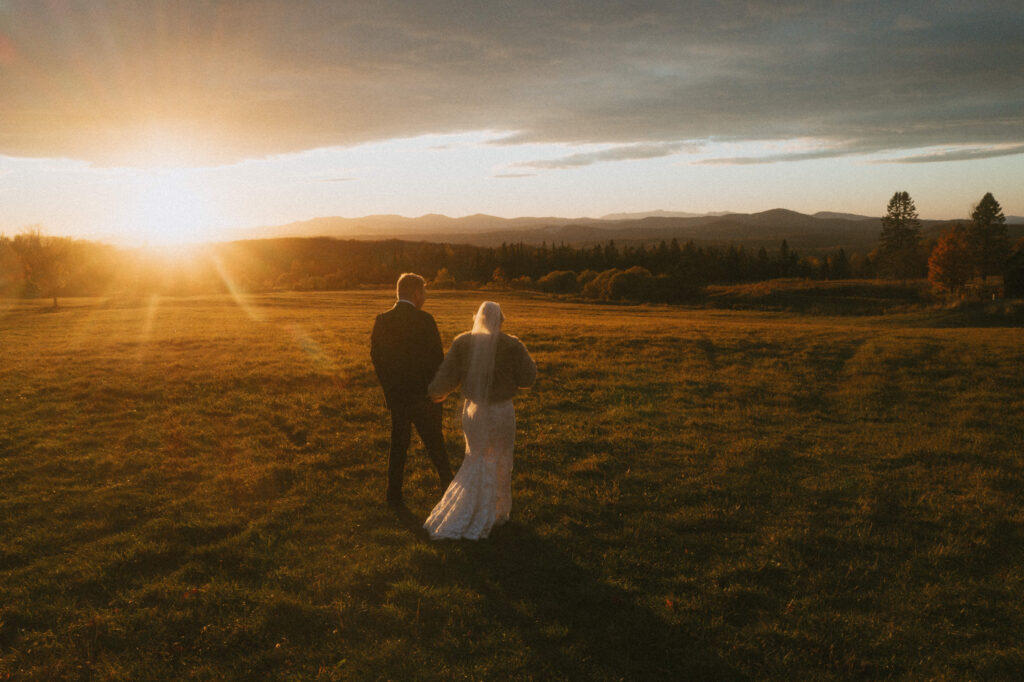
The season you choose ends up shaping a lot more than just how the mountains look. It changes how busy things feel, how much access you have, and what the overall experience is like once you’re actually here.
Most couples don’t have this fully figured out right away, and that’s completely normal. It usually becomes clearer as you start narrowing down what matters most to you and what kind of experience you’re actually looking for.
Once you’ve narrowed down the season that fits best, the next step is starting to build out the day itself. You can read our White Mountains elopement timeline guide to get a better idea of how different days can be structured.
If you’re starting to picture what your own White Mountains elopement could look like, we’d love to help you plan something that feels true to you.
Leave a Reply

